
How to Prove Event ROI to Sponsors and Exhibitors
Your sponsors and exhibitors are asking a harder question than they used to. Not “was it a good show?” but “what did we actually get for the money?” And the numbers most organisers reach for — footfall, badge scans at the door, a glowing quote from a happy exhibitor — no longer answer it. Finance teams have stopped accepting proof they can’t attribute to real people.
This page is about closing that gap: what sponsors and exhibitors want to see now, why the old metrics fall short, and how attributable movement data lets you renew a sponsorship with evidence instead of optimism.
Why footfall stopped being enough
A footfall figure tells a sponsor how many bodies passed their stand. It doesn’t say who those people were, whether they stopped, or whether any of them were worth meeting. “Three thousand people walked through the hall” describes activity, not value, and the person signing off next year’s sponsorship budget knows the difference.
The same goes for door-level badge scans and anecdotal feedback. They confirm someone turned up. They can’t show what that person did once they were inside, which stands they lingered at, or which sponsored session they sat through. When a sponsor’s finance team can’t tie a number to a named prospect, they discount it. That’s the credibility problem sitting underneath most event ROI conversations right now.
What sponsors and exhibitors want to see
The demand has shifted from reach to attribution. Sponsors want to know who engaged with them, not just how many. Specifically:
Unique visitors to their stand, not a turnstile count – the actual number of individual delegates who came to them. How long those visitors stayed, because thirty seconds and four minutes are very different outcomes. Who those visitors were: job title, seniority, sector, drawn from the registration record. Attendance at any session or space they sponsored. And how their stand performed against the rest of the show, so the number has context.
Give a sponsor that, and you’ve changed the conversation from “trust us, it went well” to a specific, defensible account of what their investment bought.
How VenuIQ proves it
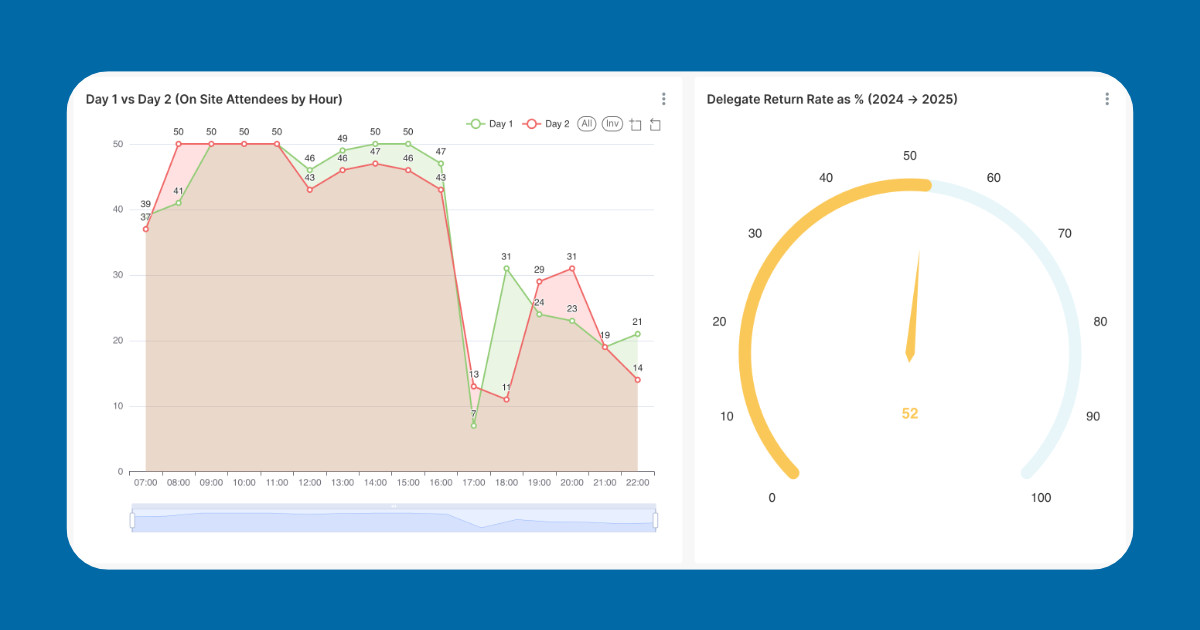
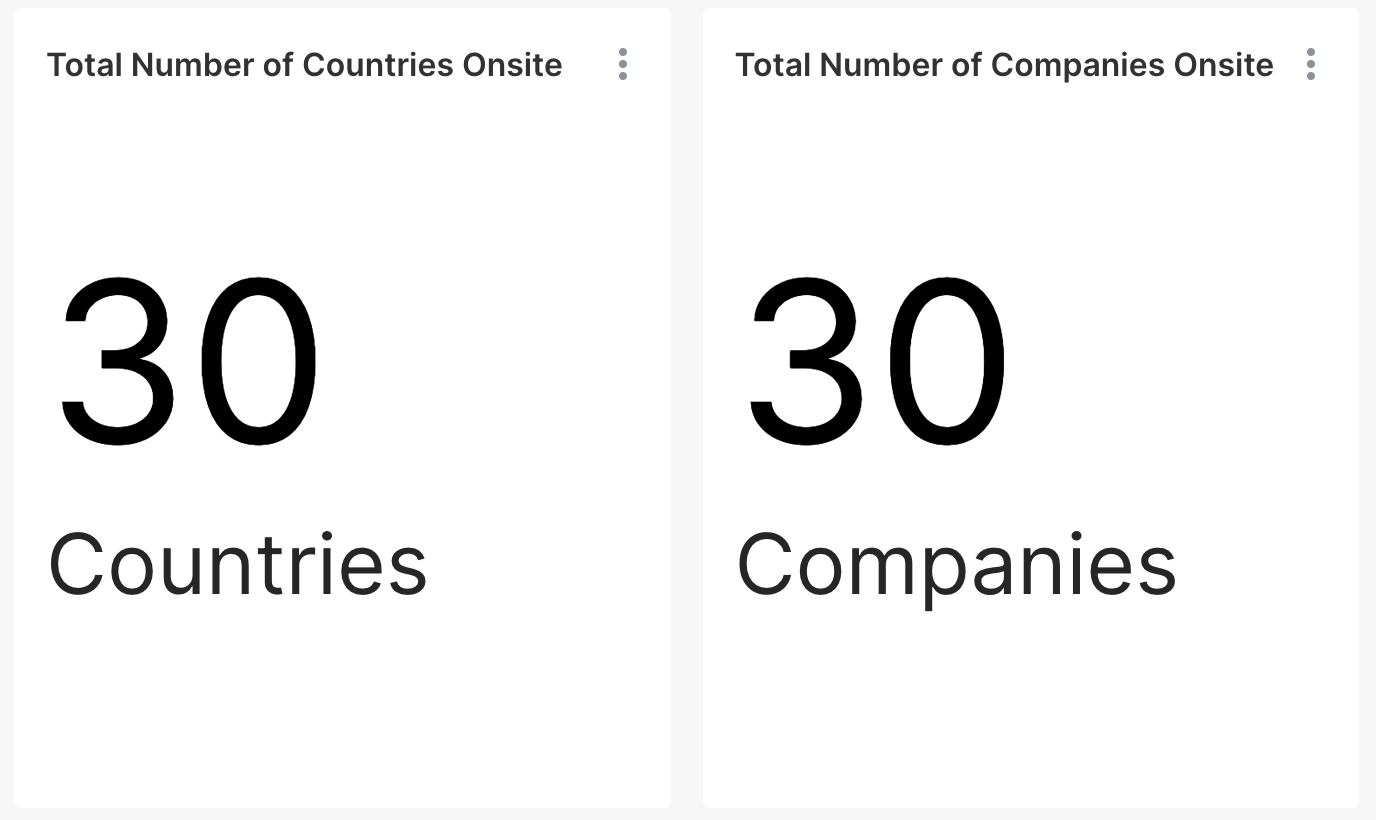
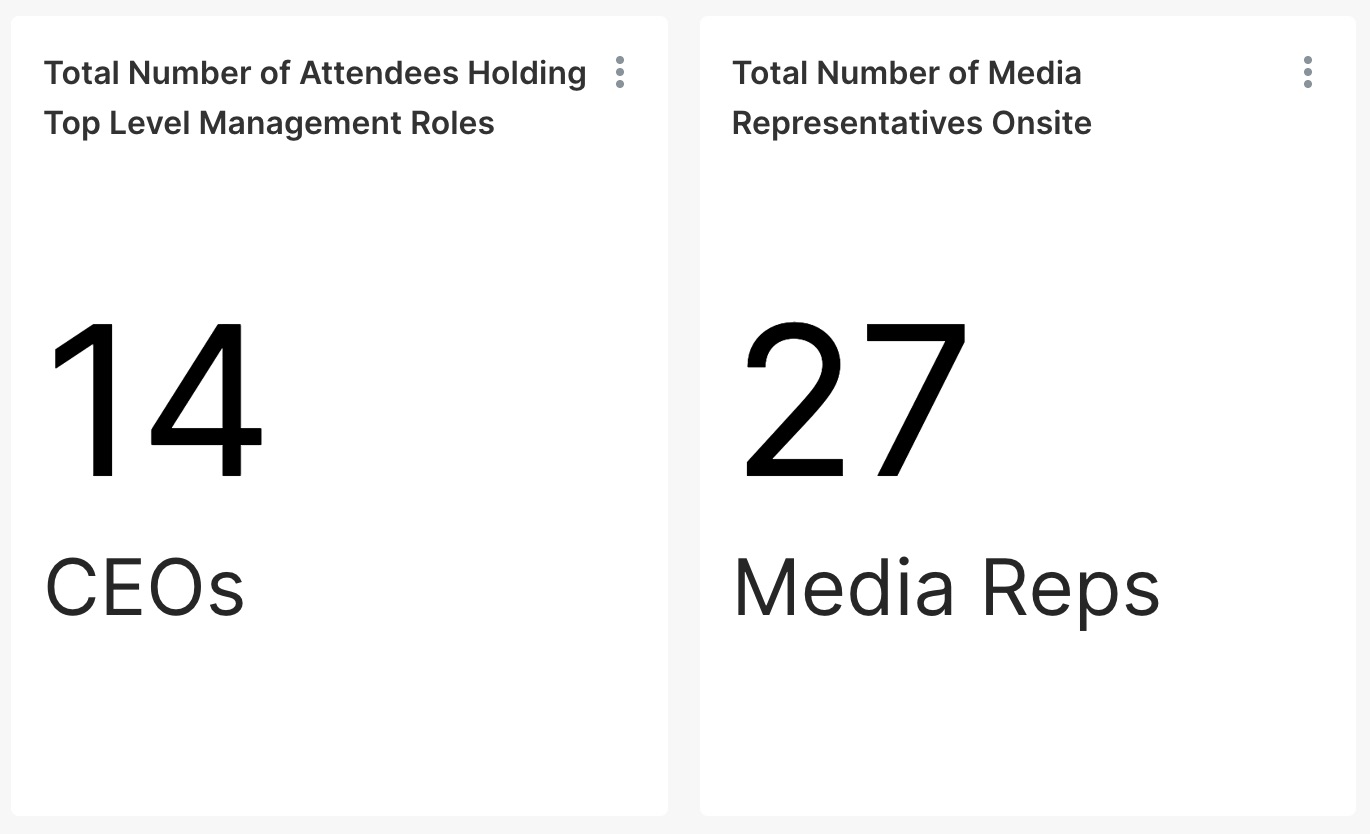
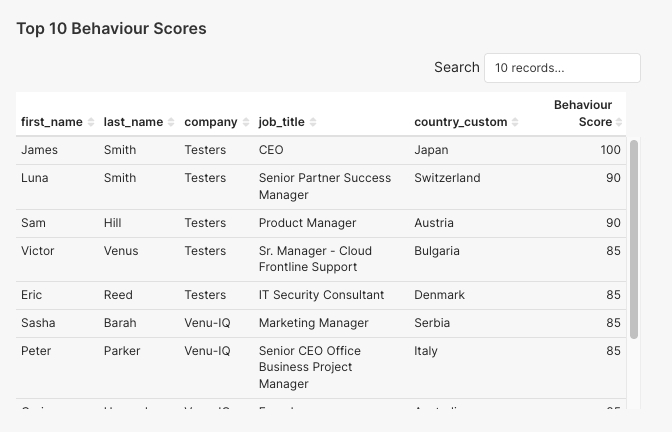
VenuIQ measures movement passively with our Bluetooth attendee tracking technology. Each delegate wears a Bluetooth beacon on their lanyard that signals to gateways around the venue, capturing where they go and how long they stay – no app to download, nothing to scan, nothing to tap. Because attendees don’t have to do anything, the data reflects what actually happened rather than who remembered to check in.
The part that matters for ROI is attribution. The beacon is tied to the delegate’s registration record, so every movement links back to a named person and their profile. That turns a vague footfall figure into something a finance team believes:
“142 unique delegates visited your stand, averaging 3 minutes each, and 38% were senior decision-makers in your target sector.”
That is a number a sponsor can take back to their own board. It’s attributable, specific, and it came from real movement rather than a survey or an anonymous heatmap.
Prove ROI on your next event
Download the free guide “Discover the Power of Event Data” and find out more about attendee tracking for your next event.
DOWNLOAD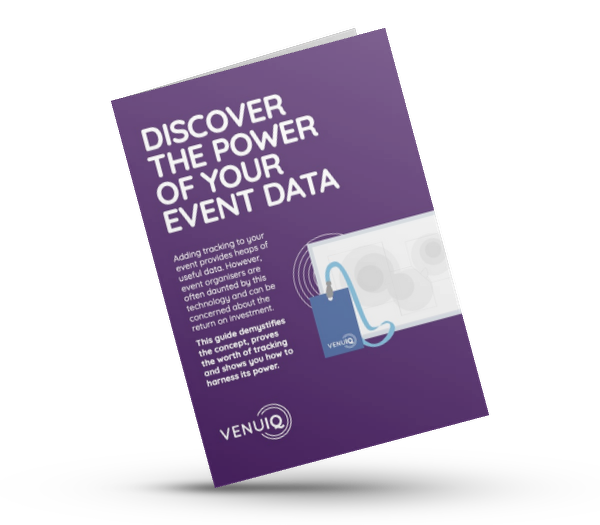
Turning proof into renewals
The reason this matters commercially is retention. Sponsors and exhibitors rebook when they can see the spend worked. Attributable ROI data lets you go back to each one after the event with evidence tailored to them — their visitors, their dwell times, their prospects — benchmarked against how the show performed overall. You’re not defending the value of the event in the abstract. You’re showing one sponsor exactly what they got, and making the case for next year while the results are still warm.
That’s the shift attendee tracking makes possible: from proving the event happened to proving it paid off.
Frequently asked questions
By capturing attributable engagement – which delegates visited a sponsor’s stand or sessions, how long they stayed, and who those delegates were by job title and sector. Attributable data lets a sponsor connect the event to real prospects rather than anonymous footfall.
Unique stand visitors, dwell time per visitor, the profile of who visited, attendance at sponsored sessions, and performance benchmarked against the rest of the show. Together, these show whether an exhibitor reached the right people, not just a large number of people.
Footfall counts bodies passing a point. It can’t say who those people were or whether they engaged, so finance teams treat it as activity rather than value. Attributable movement data fixes this by tying engagement to named delegates.
Delegates wear a passive Bluetooth beacon linked to their registration record. VenuIQ captures their movement, dwell time and session attendance automatically, then reports it back as attributable, sponsor-ready data — no app, scanning or tapping required.
Get more information on attendance tracking
Call +44 121 796 5800 to book your demo and see what’s possible for your next event.