

The post-event call with the sponsor often sounds fine. They thank you for a well-run event. There are no complaints. And then, six weeks later, the renewal goes quiet.
Non-renewal rarely comes as a genuine surprise in hindsight. The signals were there during the event. Most organisers just didn’t have a way to see them.
Headline attendance, lead scans, and footfall tell you what happened, not how the sponsor felt about it. Behavioural data tends to tell that story earlier, and there are specific patterns that appear in real-time data before a sponsor has consciously made their decision. Knowing what to look for changes what you can do.
1 When the Sponsor’s Own Team Disengages
Sponsor activation is usually strongest on day one. By mid-afternoon on day two, something has often shifted. The stand is still staffed, but the team has stopped trying.
This builds quietly. Early footfall that doesn’t convert to meaningful interactions is demoralising, and it shows in the data before it shows up in a feedback call:
- Dwell time in the zone dropping session-on-session
- Lead retrieval numbers plateauing by mid-morning
- No outbound movement from staff into the broader event flow
The intervention window is real-time. Noting that traffic in their zone has been quieter and asking whether a schedule or position change would help lands differently from a post-event debrief. It shows the organiser was watching.
2 When the Right Audience Never Makes It to the Stand
Sponsors buy access to a specific delegate profile. If zone data shows that profile isn’t dwelling near their stand, the package hasn’t delivered what was sold, regardless of overall footfall.
This gap is invisible in traditional reporting. Headline attendance stays high; it only surfaces when you cut delegate data by type and map it against zone activity. “The right people weren’t there” is one of the most common drivers of non-renewal, and the hardest to counter when all you have is a total attendance figure.
When the mismatch is visible mid-event, there are still options:
- Targeted notifications to relevant delegate segments
- Adjusted scheduling to route the right cohort past the zone
- Direct introductions brokered through the app or the on-site event team
None of these are guaranteed to fix a structural mismatch. But the organiser who acts mid-event is in a much stronger position at the renewal conversation.
3 When Delegates Are Already Checking Out
Flight Risk is a behavioural metric that tracks patterns consistent with early departure: declining session attendance, reduced zone visits, and dropping app engagement. When those signals concentrate among the segments a sponsor is targeting, their effective window is narrowing, even if headline attendance looks fine.
Organisers with this visibility can intervene directly:
- A staff member steering an at-risk delegate toward a specific session, stand, or networking moment that’s already running
- Targeted content or session notifications
- Direct outreach from the organiser’s team to high-value attendees
The sponsor often won’t know the problem was developing. But the data gives an organiser the chance to protect the investment before the window closes.
4 When the Package Goes Largely Unused
Sponsor packages often include features the sponsor’s team never properly engages with: lead retrieval tools, branded sessions, app listings, and exclusive zones. If near-zero activity is being generated through these features, the renewal conversation has nowhere to go. A sponsor can’t report ROI from something they didn’t use.
This is more often a support issue than a motivation one. Sponsor teams frequently arrive without a clear plan for the digital or data elements of their package.
A mid-event check-in that surfaces the usage gap (“your lead retrieval is currently sitting low, want a quick run-through?”) is a retention move as much as a support call. It:
- Generates numbers the sponsor can report on internally
- Creates a record of the organiser actively helping
- Shifts the renewal conversation from “we didn’t get much from the tech” to concrete results
Act on the Signals While the Event Is Still Running
Most non-renewals are foreseeable. The patterns form during the event, in the data, before the sponsor’s view has fully settled. A disengaging stand team, a profile mismatch, Flight Risk building in the wrong segments.
These signals don’t appear in traditional reporting formats. Attendance totals and scan counts don’t show where the problem is developing. Behavioural data does.
Sponsor retention starts well before the renewal conversation. It starts the moment you see something going wrong and decide what to do about it.
VenuIQ gives organisers live visibility into these signals during the event: zone-level dwell time, Flight Risk and Behaviour Score data by delegate segment, feature usage, and movement patterns that surface when an activation is underperforming. For commercial and partnership teams managing renewal pipelines, that visibility changes what’s possible.
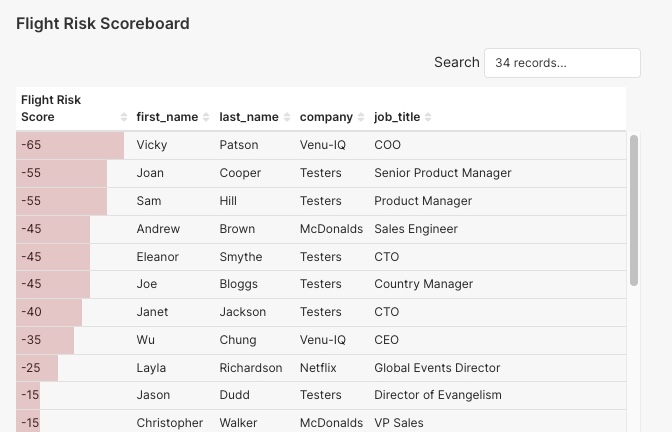
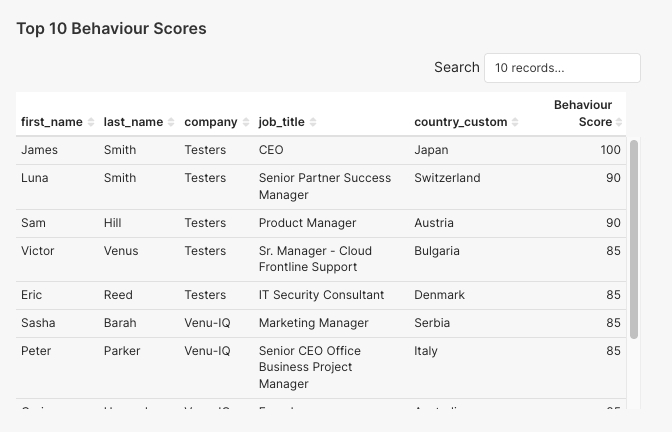
Flight Risk scores each sponsor’s partner loyalty from -100 to +100, and Behaviour Score tracks how engaged individual attendees are with a specific sponsor from 0 to +100, both updating live from booth visits, content interaction, and competitor engagement through the event. Together, they surface a disengaging sponsor or a missed audience well before the renewal conversation, rather than after.
If you’d like to see how that looks in practice, book a demo and we can walk you through it.
You must be logged in to post a comment.